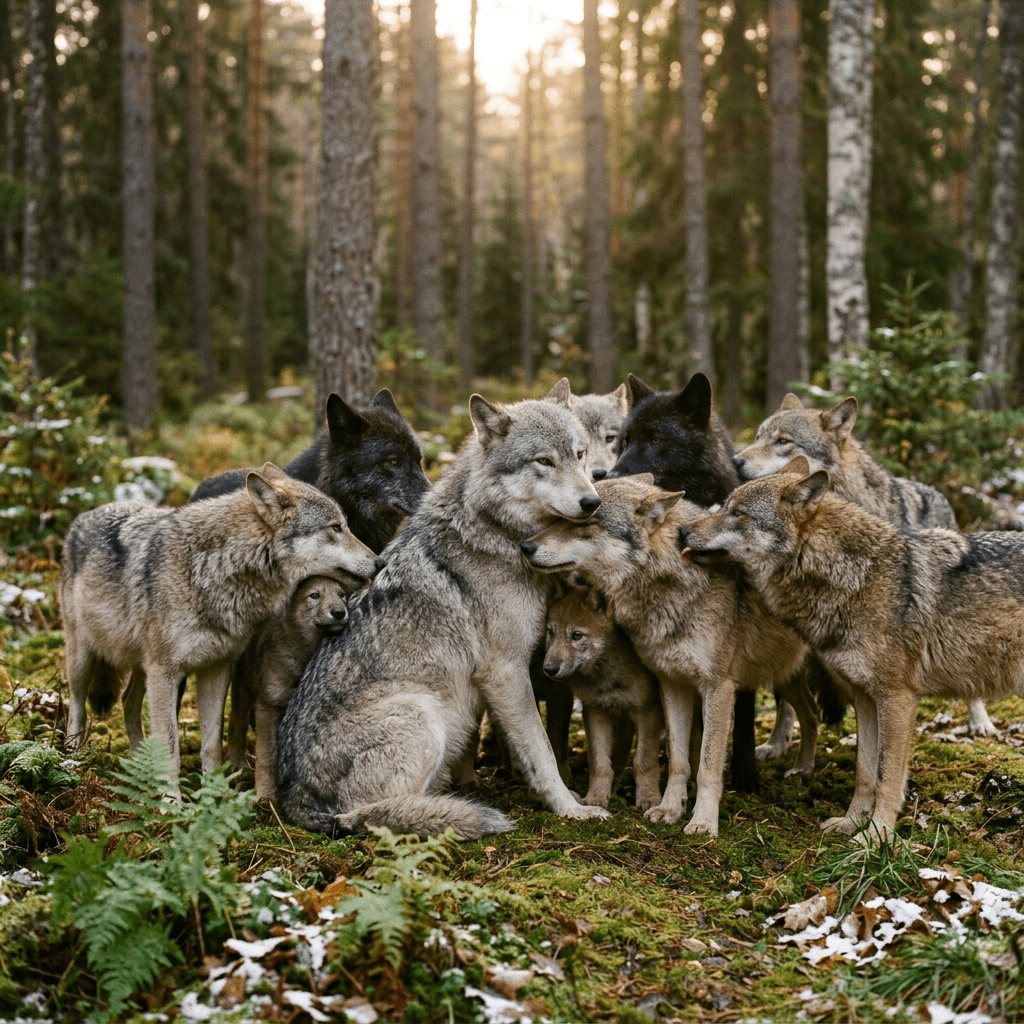
Why Relationships Struggle in Isolation
Many couples today are trying to build a life with one person… without the support that used to come from a whole community.
This is something that couples therapist, Esther Perel, stresses the importance of creating, when she talks about “building a village.”
We don’t just need a partner. We need a network of people who support us, reflect us, and hold us through the challenges of life.
The hidden pressure on modern relationships
One of the biggest, often unspoken pressures in relationships today is that we expect one person to meet needs that were once met by many.
We look to our partner for:
- stability and security
- love and belonging
- sexual and emotional intimacy
- fun and adventure
- empathic understanding and validation
- stimulating conversation
- friendship~companionship
- practical help
- teamwork
- parenting and career support
- socialising
It’s an impossible task.
Not because either one is failing, but because the structure around the relationship is missing.
What happens without a village
When couples look towards their supportive community in difficult times, what they receive matters.
If support systems are fragmented or critical, it can amplify conflict:
“She/he is no good for you – she/he is awful!”
“That’s not acceptable!”
But when a couple is held within a supportive “village,” the tone shifts:
“We know you love each other – it will be okay.”
“What do you both need right now?”
That difference shapes not just how we think, but how we feel and react to the stories created from these types of unsupportive and toxic interferences.
Therefore, importantly for our relationships, our support network needs to include people who support us as a couple.
The nervous system perspective
Our nervous systems are constantly scanning for safety or threat.
Supportive relationships create a sense of safety.
Fragmented or hostile environments increase stress and reactivity.
This means the “village” around a couple doesn’t just influence them psychologically—it affects them physiologically.
We don’t regulate in isolation.
We regulate in connection.
A small shift you can make
Building a village doesn’t happen all at once.
It begins with small, intentional steps:
- choosing connections that support the wellbeing of both you and your partner
- investing in a partnership community, not just partnership
This is not to say that you can’t enjoy those relationships that are separate to your partner, and it usually is very important to a relationship that you maintain your own interests and hobbies.
AND, it is equally important to ensure that you bring people together from both of your family and friendship groups, to create opportunities to be together as a couple within your “village”. AND, it’s super-important to protect, support and champion your partner if there are any challenges coming from particular members of a friendship or family group. The aim is to build safety and security through the structure of a support network that wraps itself around your relationship.
A different way to think about relationships
If you ever find yourself wondering if you’re a good match with your partner after a difficult family or social occasion, perhaps the question is not:
“Is this the right partner?”
But:
“What kind of support system are we building around our relationship?”
As a couples therapist and relationship coach, I see that hostility and conflict from a couples’s immediate circle can threaten their survival. In contrast, couples will likely thrive in loving, safe and supportive environments, as all relationships will.
Consider how you might start building a supportive “village” by getting clear about the people who support you and your partner as a couple, and the people who are more likely to be a negative influence. Make a plan to strengthen and reinforce your relationship. Commit to standing by your partner when confronted with negativity and disapproval. Create safety and support for them in challenging environments and listen to what they need. Consider your own needs and what support you might want to ask for. Have those hard conversations – you know the ones. Make clear boundaries. Take action.
 Dr Fraya Zella Wolf
Leave a comment